From a problem to an opportunity
Converting biowaste into value
Explore a new exciting opportunity for biowaste recycling: a solution that upcycles any substrate to higher quality products, such as protein feed for animals and fertilizer with less cost, simpler operations and lower investments, even at small scale.
Manna Insect has worked already on tens of biowaste recycling cases around the world with this novel approach.
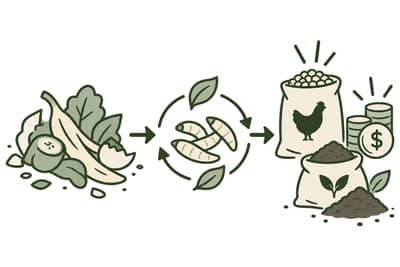
BSF · The opportunity
A new way to convert biowaste back to value
For farms and food businesses, hotels and waste handlers, municipalities planning a local solution and entrepreneurs ready to build something new.
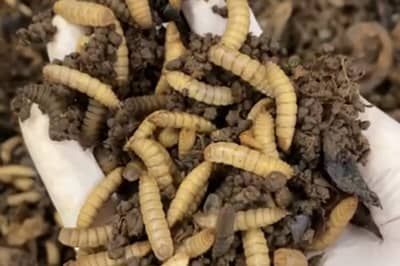
The new approach is to use black soldier fly (BSF) larvae. They grow on any organic material, eat fast and can then be used as feed for animals and the manure (frass) as fertilizer. BSF larvae has been already used for decades in developing countries, but now the process and technology has matured for industrial use.
-
New income opportunities
Biogas produces energy. Composting produces a soil improver. BSF opens another opportunity: insect protein, bio oil and fertilizier. Sales can help offset recycling costs and create new income.
-
Start small, plan to grow
BSF based approach has significant benefits compared to biogas and composting as it can be started at small scale, footprint and investments, and scales modularly.
-
Built and run locally
No more need to haul biowaste tens or hundreds of kilometers as the conversion facility can be built locally and near the source. This saves environment and costs and brings jobs to local people.
Manna Insect · Your partner
Let's build the opportunity together
Since 2018 we have helped and powered companies to turn biowaste into value all over the world.
We help you assess the business, compare your options and plan the facility. Our support continues through practical trials, setup and training the people who will run it. We are your partners to create the best possible model to run operations from consultancy to joint venture operations.
Making a useful product is only part of the business. We also help identify potential buyers, understand their requirements and develop a route to market for larvae and suitable soil products.
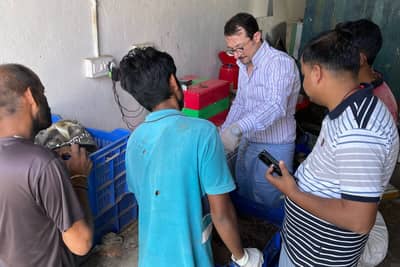
Realizing the potential with Manna Insect
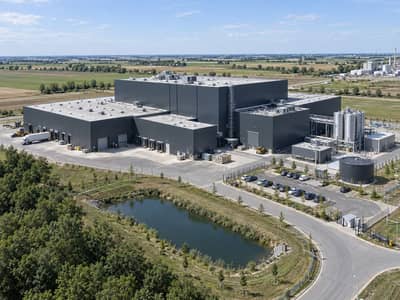
Your own facility or a shared venture
Depending on your business and needs, the biowaste conversion can be set up as a service, joint venture or your own operation.
-
Expert help for a specific project
Get help with analysis, design, trials or training. We agree the work and fee with you.
-
A facility your team runs
Build your own operation with Manna's help, from planning and equipment choices to setup and team training. Your team runs the facility.
-
A long-term partnership
For selected projects, we can invest expertise and technology in a joint venture and help develop the business together. We agree the investment and roles for each project, with the venture or a local partner operating the facility.
See how our services support your project
Tell us about the biowaste case you want to explore. We reply by email to arrange a short first conversation — no obligation — and explore what we could build together.