
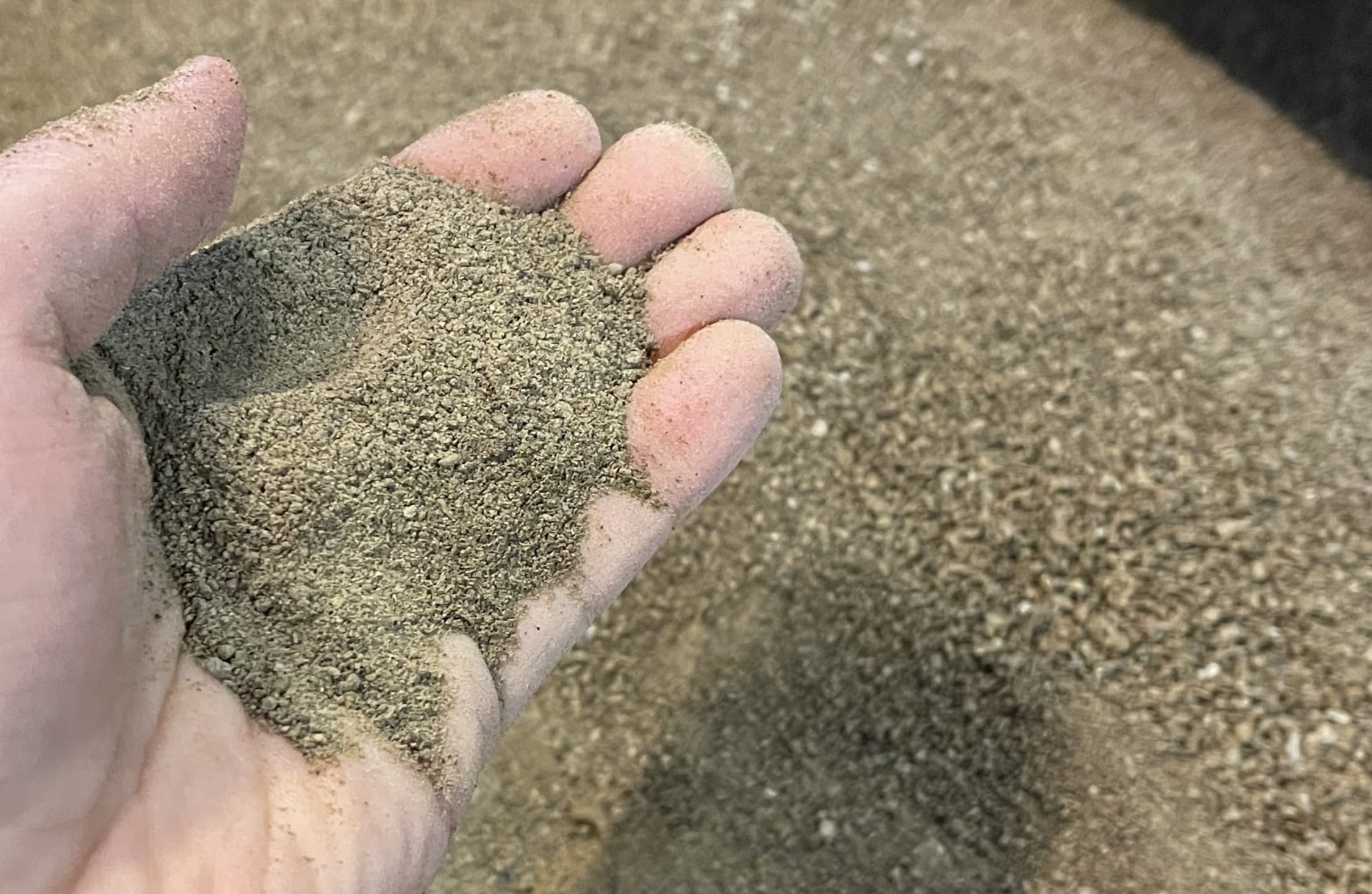
Optimizing BSF frass processing: Techniques, equipment and value enhancement
BSF frass is a nutrient-rich organic fertilizer, but its market value depends heavily on post-processing. Proper drying, screening and packaging can transform raw black soldier fly frass from a low-value byproduct into a premium soil amendment. This article explores key BSF frass processing techniques, equipment options, and how each step impacts profitability. NOTE! Prices vary between regions, customer segment, distribution channels, packaging, branding and post-processing, keep this in mind!
Key steps in BSF frass processing
A. Separation from larvae
Sieving / screening:
Vibrating screens or rotary trommels separate larvae from frass.
Mesh size: 2–4 mm (fine enough to remove larvae but retain frass particles).
Automated Harvesters:
Larger farms use conveyor-belt systems with airflow separation.
Impact on value:
Poor separation reduces frass purity (insect remnants lower quality).
Efficient separation increases marketability.
B. Drying methods
Frass must be dried to <15% moisture to prevent mold and extend shelf life. Below a comparison of pros and cons of three different drying methods, with a recommendation for which circumstances each method best suits for:
Sun drying
Low cost, simple
Slow, weather-dependent, nutrient loss
Small farms, tropical climates
Mechanical dryers (e.g., belt, rotary)
Fast, consistent, preserves nutrients
High energy cost
Medium/large farms
Solar tunnel dryers
Energy-efficient, moderate speed
Requires space
Mid-sized operations
Impact on value:
Sun-dried BSF frass sells for $0.50–$1/kg.
Mechanically dried (higher quality) fetches $1–$3/kg.
C. Grinding and particle size control
Hammer mills or ball mills crush frass into uniform particles. Ideal particle size is 0.5–2 mm (improves solubility and soil integration).
Impact on value:
Fine, uniform texture increases usability for potting mixes and hydroponics.
Coarse frass may need discounting for bulk agricultural use.
D. Pasteurization / sterilization (optional)
Heat treatment (60–70°C for 1–2 hours) kills pathogens.
UV or chemical treatment (less common, used for high-end markets).
Impact on value:
Pasteurized BSF frass meets organic certification standards, boosting price by 20–50%.
E. Enrichment and blending (value-adding)
Microbial inoculation (adding beneficial bacteria/fungi).
NPK balancing (mixing with biochar, rock phosphate or potassium sulfate).
Impact on value:
Enriched frass can sell for $3–$5/kg in specialty markets.
F. Packaging and storage
Bulk bags (1–25 kg) for agricultural buyers.
Retail-ready bags (1–5 kg) with branding for garden centers.
Vacuum-sealing extends shelf life.
Impact on value:
Branded retail packaging doubles profit margins vs. bulk sales.
Equipment recommendations by scale
Recommended equipment and estimated cost for different farm sizes:
Small (<1 ton/month)
Manual sieves, sun drying racks, small grinder
$500–$2,000
Medium (1–10 tons/month)
Rotary sieve, solar tunnel dryer, hammer mill
$5,000–$20,000
Large (>10 tons/month)
Automated separator, belt dryer, pelletizer
$50,000+
Business case: How processing affects ROI
A. Cost vs. revenue analysis
Production cost/kg, selling price/kg and profit margin for different processing levels:
Raw, unprocessed BSF frass
Production cost $0.10–$0.30 / kg
Selling price $0.20–$0.50 /kg
Profit margin: low (10–30%)
Dried & screened frass
Production cost$0.30–$0.60
Selling price$1–$2
Profit margin: moderate (50–70%)
Pasteurized & enriched frass
Production cost$0.80–$1.50
Selling price$3–$5
Profit margin: high (100%+)
B. Key profitability drivers
✔ Reducing moisture cuts storage/transport costs.
✔ Uniform particle size appeals to commercial buyers.
✔ Certifications (OMRI, EU Organic) open premium markets.
✔ Retail branding maximizes margins.
Practical tips for farmers
✔ Start simple – Manual sieving + sun drying works for small farms.
✔ Invest in mechanization when scaling (saves labor and improves consistency).
✔ Test different blends (e.g. frass + biochar) to create unique products.
✔ Market the benefits – Highlight NPK content, microbial activity and sustainability.
Final takeaway
Post-processing is where BSF frass gains real market value. By optimizing drying, grinding and packaging, farmers can turn waste into a high-margin product. The key is balancing upfront equipment costs with long-term price premiums – every processing step should justify its ROI.
Learn more about BSF farming in the
Insect Farm Hub!
Manna Insect has launched a comprehensive insect farming platform designed for learning, managing, monitoring and networking. There are tons of free content about insect farming, as well as a lot of paid premium content, that dives even deeper in black soldier fly business.
Do you already follow us in LinkedIn? We share insights and news about insect farming and BSF business daily in Manna Insect LinkedIn page, come and join the discussion!
Read also:
Building a professional level BSF farm for under $10,000
Using insect frass as fertilizer: Best practices and application
Top 10 most viable BSF business cases for 2025-2026